
Central AC Repair: Signs, Fixes & Maintenance
Central air conditioning systems are essential for maintaining comfortable indoor environments, especially during the sweltering summer months. Understanding how these systems work, common issues that arise, and the repair process can empower homeowners to make informed decisions about their AC maintenance and repair needs. This guide explains how central air conditioning systems operate, how to recognize early performance issues, and when professional service becomes necessary. Understanding how cooling systems function helps homeowners make better decisions about maintenance, repairs, and long-term efficiency. In Florida’s climate, where HVAC systems often undergo extended cooling cycles, preventive maintenance plays an important role in protecting performance and reducing unnecessary operating costs.
Key Takeaways
Central air conditioning systems rely on coordinated airflow, heat transfer, and mechanical components to maintain consistent indoor cooling performance.
Early warning signs such as weak airflow, unusual sounds, and rising utility bills often indicate developing HVAC issues that should not be ignored.
Basic homeowner troubleshooting can help identify simple operational concerns, while complex repairs should be handled by qualified HVAC professionals.
Preventive maintenance improves efficiency, reduces repair risk, and extends the lifespan of HVAC equipment.
Professional HVAC maintenance and repair services from Reynolds Home Services help homeowners maintain reliable cooling and improve long-term system performance.
How Does a Central Air Conditioning System Work?

A central air conditioning system operates by circulating cool air throughout a building via a network of ducts. The system consists of several key components that work together to provide efficient cooling. Understanding these components and their functions is crucial for diagnosing issues and ensuring proper maintenance.
Key Components of Central AC Systems Explained
Central AC systems comprise several essential components, including the compressor, condenser, evaporator coil, and air handler. The compressor pumps refrigerant through the system, while the condenser releases heat outside. The evaporator coil absorbs heat from the indoor air, and the air handler circulates the cooled air throughout the home. Each component plays a vital role in the overall efficiency and effectiveness of the cooling process.
Understanding the Cooling Cycle and Airflow
The cooling cycle involves several stages, including compression, condensation, expansion, and evaporation. During this cycle, the refrigerant changes states from gas to liquid and back, absorbing and releasing heat as it circulates. Proper airflow is critical to maintaining efficiency; if airflow is restricted by dirty filters or blocked ducts, the system may struggle to cool effectively, leading to increased energy consumption and potential breakdowns.
What Are the Most Common Central AC Problems and How to Troubleshoot Them?
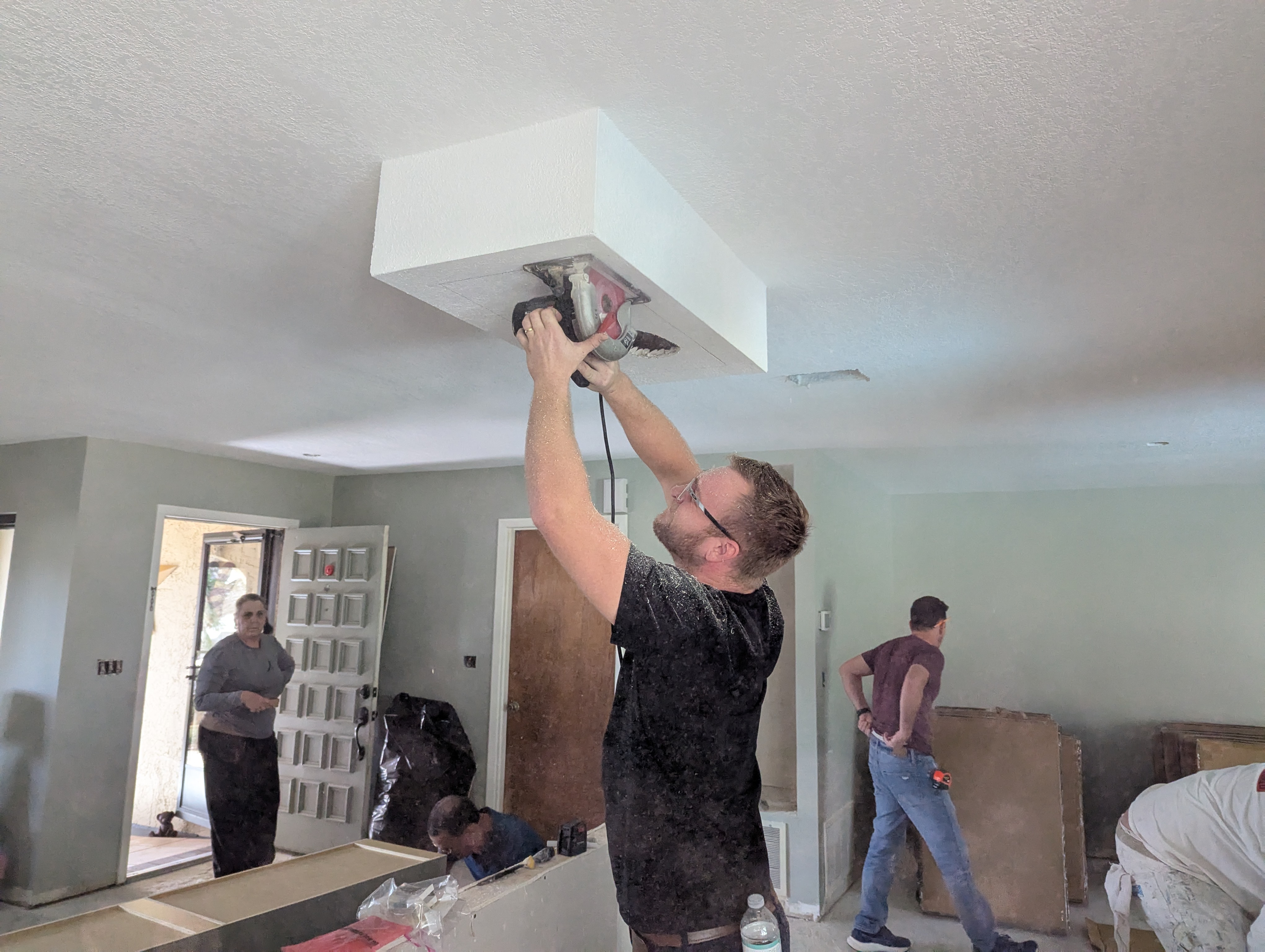
Homeowners often encounter various issues with their central AC systems. Recognizing the signs of trouble and knowing how to troubleshoot can save time and money.
Identifying Signs Your AC Needs Repair
Common indicators that your AC may need repair include unusual noises, inconsistent cooling, and increased energy bills. If the system is not cooling effectively or is making strange sounds, it may be time to investigate further. Additionally, if you notice a spike in your energy costs without a corresponding increase in usage, this could signal an underlying issue.
Step-by-Step Troubleshooting for Frequent AC Issues
Before scheduling service, homeowners can safely perform a few basic checks:
Confirm thermostat settings and cooling mode
Replace or inspect a visibly dirty air filter
Verify supply vents remain open and unobstructed
Inspect the outdoor unit for visible debris buildup
Monitor for unusual sounds or weak airflow
If performance does not improve, professional diagnosis is recommended to avoid unnecessary system strain or component damage.
When Should You Call a Professional for Central AC Repair?
Knowing when to seek professional help is crucial for maintaining your central AC system. Some situations require immediate attention, while others can wait for routine maintenance.
Emergency AC Repair: When Immediate Service Is Needed
Emergency situations that require immediate repair include complete system failure, refrigerant leaks, or unusual noises indicating mechanical failure. If your AC stops working during a heatwave, it can lead to uncomfortable and potentially dangerous conditions, especially for vulnerable individuals.
Routine vs. Emergency Repairs: Making the Right Choice
Routine maintenance, such as cleaning filters and checking refrigerant levels, can often be scheduled during regular service visits. However, if you notice significant performance changes or hear alarming sounds, it is essential to distinguish between routine maintenance and emergency repairs. Understanding the urgency of the situation can help you make informed decisions about when to call for professional assistance.
What Does the Central AC Repair Process Involve?
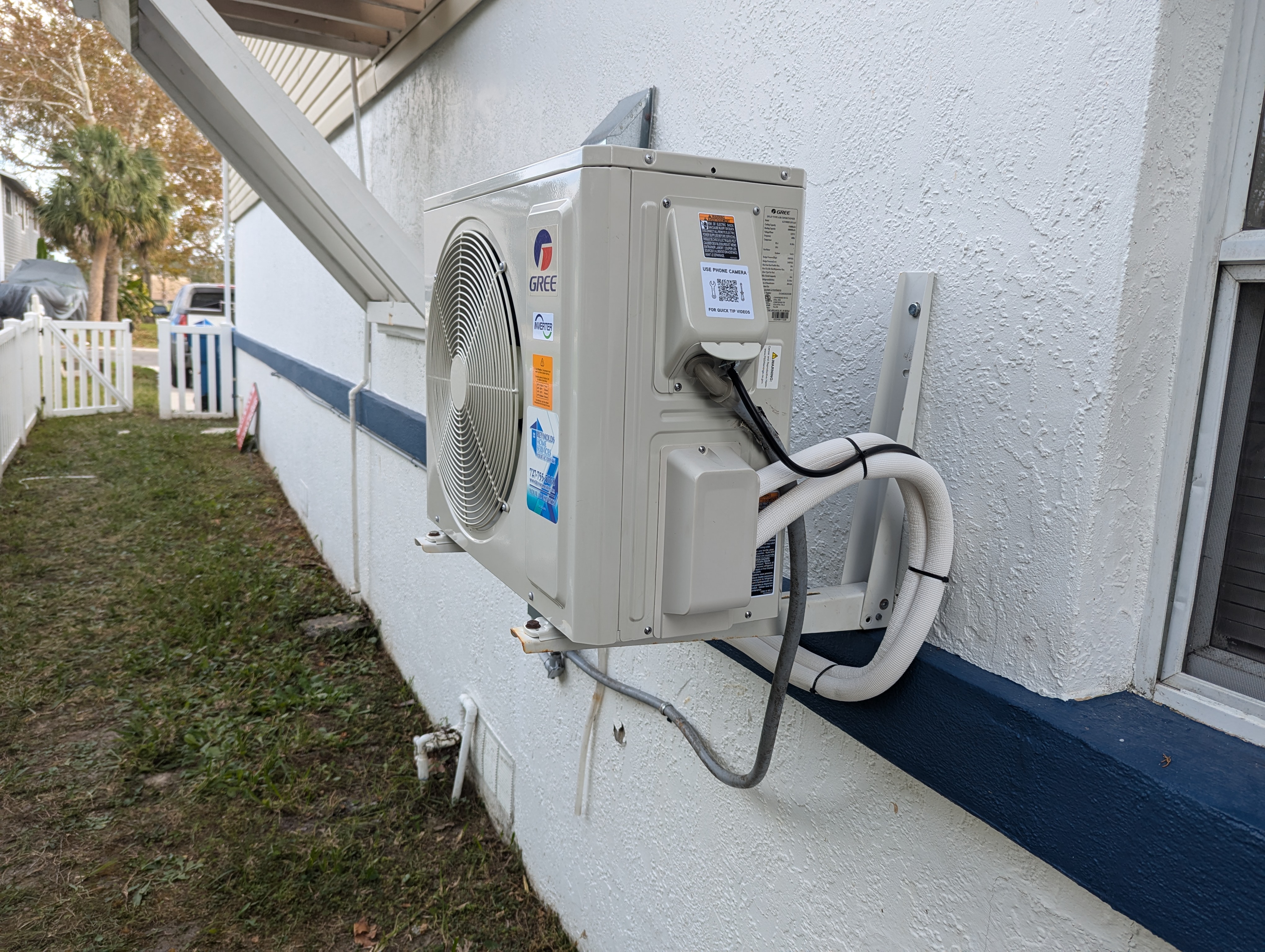
The repair process for central AC systems typically involves several diagnostic procedures and repair techniques to identify and resolve issues effectively.
Diagnostic Procedures and Repair Techniques
Professional central AC repair begins with a complete system evaluation to identify the root cause of performance issues rather than treating symptoms alone. Technicians assess airflow, cooling output, electrical operation, and overall system condition before recommending repairs. This process helps improve repair accuracy and reduces repeat service visits. Reynolds Home Services provides HVAC diagnostic and repair services designed to restore reliable cooling and system efficiency.
How Technicians Handle Compressor and Refrigerant Issues
Compressor and refrigerant-related concerns require professional evaluation because they directly affect cooling performance and system efficiency. Certified HVAC technicians inspect operating conditions, identify underlying causes, and perform repairs according to industry standards and equipment requirements. Proper service helps maintain system reliability and supports long-term performance.
How Can Regular Maintenance Improve AC Performance and Prevent Breakdowns?
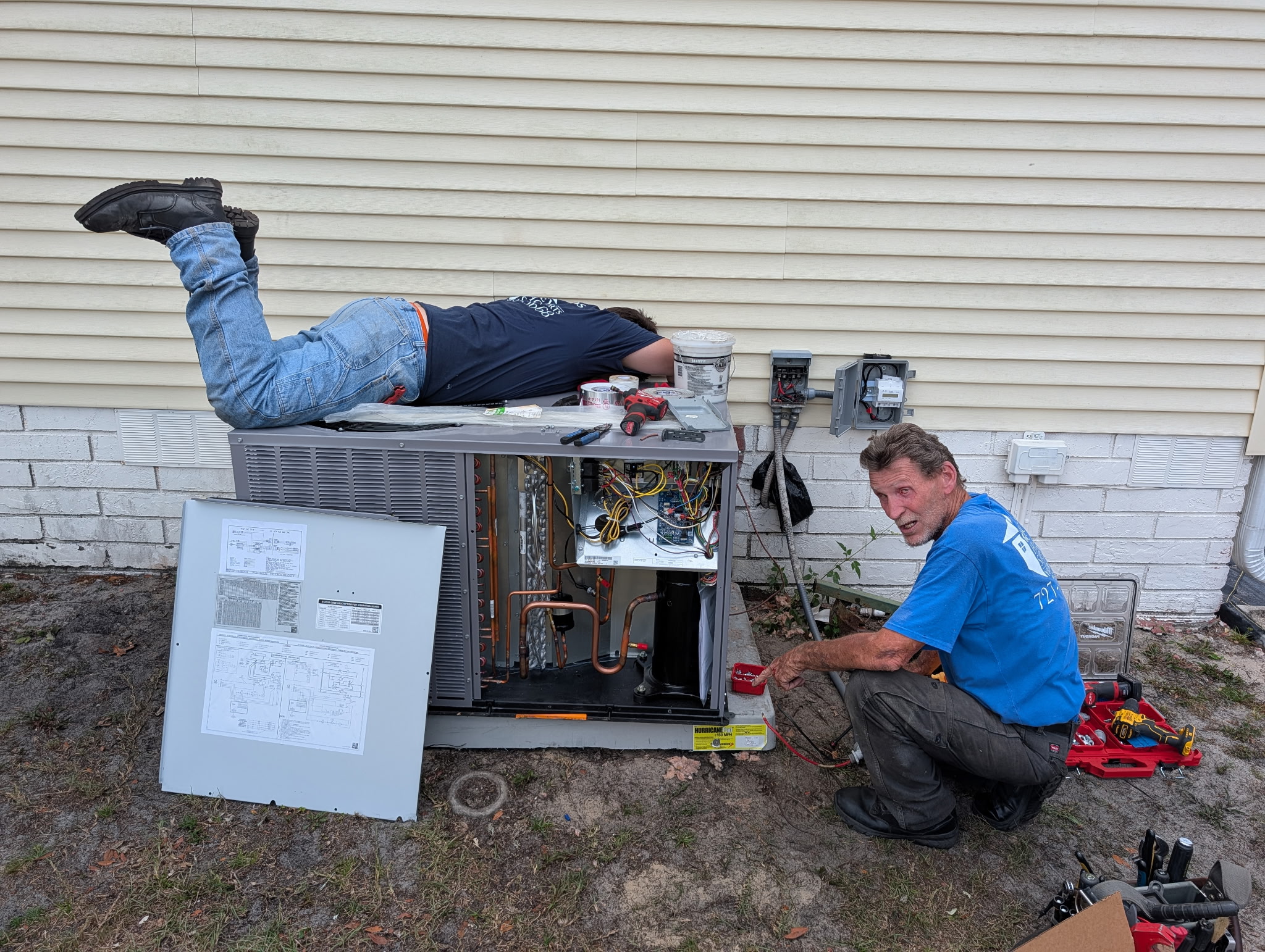
Regular maintenance is vital for ensuring the longevity and efficiency of central AC systems. By investing in routine upkeep, homeowners can prevent costly breakdowns and improve overall performance.
Essential Air Conditioning Maintenance Tips for Longevity
To maintain your central AC system effectively, consider the following tips:
Schedule Regular Inspections: Have a professional inspect your system at least once a year to identify potential issues early.
Change Filters Regularly: Replace or clean air filters every 1-3 months to ensure optimal airflow and efficiency.
Clean the Outdoor Unit: Keep the outdoor condenser unit free of debris and vegetation to promote proper airflow.
Energy Efficiency Improvements Through Proper Upkeep
Regular maintenance not only extends the life of your AC system but also enhances its energy efficiency. A well-maintained system can operate more effectively, resulting in lower energy bills and reduced environmental impact. By prioritizing maintenance, homeowners can enjoy a comfortable indoor climate while minimizing their energy consumption.
Frequently Asked Questions
What are the signs that my central air conditioning system needs repair?
Common signs that a central air conditioning system may need repair include unusual noises, weak airflow, inconsistent temperatures between rooms, rising energy bills, frequent cycling, or warm air coming from vents. Water buildup around the unit or reduced cooling performance can also indicate developing issues. Addressing these warning signs early may help prevent more extensive repairs and reduce unnecessary strain on the system.
How do I fix my central AC?
Some minor issues can be checked by homeowners, such as confirming thermostat settings, replacing a dirty air filter, ensuring vents are open, and clearing debris around the outdoor unit. However, problems involving electrical components, refrigerant, airflow restrictions, or internal system operation should be handled by qualified HVAC professionals. Reynolds Home Services provides HVAC repair and maintenance services to safely and efficiently diagnose and address cooling system issues.
How often should I schedule maintenance for my central AC system?
Most central air conditioning systems benefit from professional maintenance at least once per year, ideally before the cooling season begins. Homes with heavier system usage or long cooling seasons may benefit from more frequent evaluations depending on operating conditions. Regular maintenance helps support energy efficiency, improve system reliability, and identify developing issues before they become major repairs.
What are the common problems with central air conditioners?
Some of the most common central AC issues include clogged air filters, restricted airflow, dirty coils, thermostat problems, condensate drainage concerns, and general component wear over time. These conditions can reduce cooling performance and increase energy consumption. Preventive maintenance and routine inspections help reduce the likelihood that these problems will affect overall system operation.
What should I do if my central AC system stops working during a heatwave?
Start by checking the thermostat settings, verifying that the circuit breaker has not tripped, and inspecting the air filter for severe blockage. If the system still does not operate or cool properly, turn the system off to avoid additional strain and contact a qualified HVAC professional. Reynolds Home Services offers HVAC services that help homeowners diagnose cooling issues and restore system performance as quickly as possible.
How can I improve the energy efficiency of my central AC system?
Improving energy efficiency starts with consistent maintenance and proper system operation. Homeowners can replace air filters regularly, keep outdoor units clear of debris, maintain unobstructed airflow, and use programmable thermostat settings when appropriate. Scheduling routine HVAC inspections also helps identify conditions that may reduce efficiency and increase operating costs over time.
Conclusion
Understanding how central air conditioning systems operate helps homeowners make more informed decisions about maintenance, repairs, and long-term system care. Recognizing early warning signs and responding quickly can reduce repair costs and improve cooling reliability. Preventive maintenance remains one of the most effective ways to support efficiency and extend equipment lifespan. Reynolds Home Services provides professional HVAC maintenance and repair services designed to help homeowners maintain dependable comfort and long-term cooling performance.
