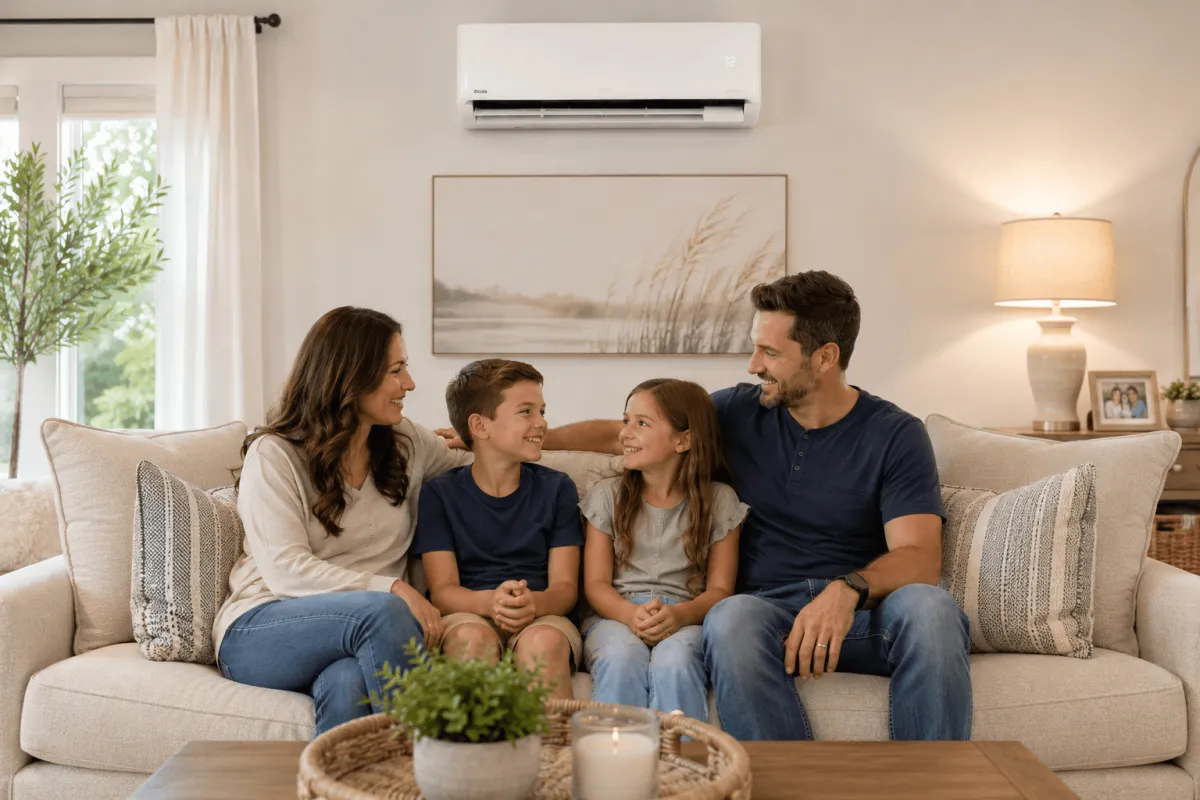
Cleaner Air Starts Here: Improve Your Home’s Indoor Air Quality
Indoor air quality plays a major role in your home’s comfort, HVAC performance, and overall living environment. Florida homeowners often face unique air quality challenges caused by high humidity, extended cooling seasons, airborne particles, and limited ventilation. These factors can affect how fresh your home feels and how efficiently your HVAC system operates. Improving indoor air quality requires more than basic filtration because every home has different needs based on its layout, usage, and environment. Reynolds Home Services provides professional air quality testing and HVAC services in Pasco County to help homeowners identify indoor air concerns and create effective solutions for cleaner, healthier, and more comfortable homes.
Key Takeaways
Indoor air quality impacts home comfort, HVAC efficiency, and overall living conditions, especially in Florida’s humid climate.
Professional air quality testing helps identify hidden pollutants, moisture concerns, and ventilation issues affecting your home environment.
Proper filtration, humidity control, and ventilation strategies work together to create cleaner, healthier indoor air.
Regular HVAC maintenance supports better airflow, improves system performance, and helps prevent air quality concerns from developing.
Reynolds Home Services provides professional air quality testing and HVAC services in Pasco County to help homeowners achieve reliable indoor comfort.
Understanding What Impacts Indoor Air Quality
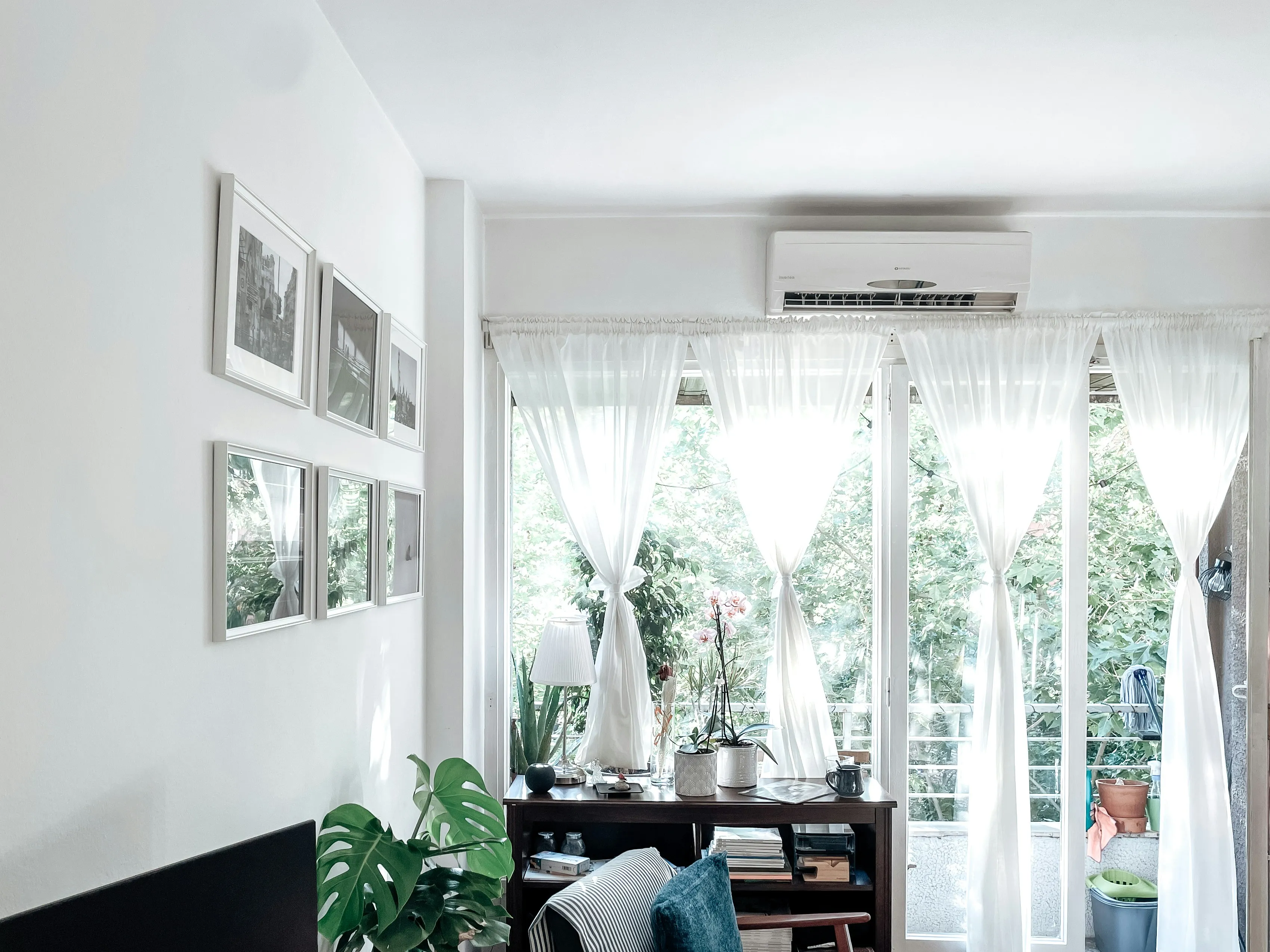
Indoor air quality is influenced by many factors, including your home’s construction, HVAC system, humidity levels, and everyday activities. Because modern homes are designed to maintain energy efficiency, they may have less natural air exchange, allowing certain pollutants and moisture concerns to remain indoors longer.
Understanding what affects indoor air quality helps homeowners take a proactive approach instead of waiting until comfort issues become noticeable.
Common Indoor Air Quality Concerns in Homes
Indoor air can contain a variety of particles and contaminants that affect comfort and HVAC performance. Many of these concerns come from everyday household activities, outdoor conditions, and moisture-related issues.
Common indoor air quality concerns include:
Dust and airborne particles from daily activity
Pet dander and household allergens
Mold spores associated with excess moisture
Outdoor pollen entering through doors and windows
Odors and chemical compounds from household products
These particles can circulate throughout the home when the HVAC system operates. Identifying potential sources allows homeowners to choose solutions that address the actual conditions affecting their indoor environment.
How HVAC Systems Influence Air Quality
Your HVAC system does more than regulate temperature. It also plays an important role in moving, filtering, and conditioning the air throughout your home. When the system operates properly, it helps maintain balanced airflow and supports better indoor comfort.
However, issues such as dirty filters, restricted airflow, or moisture problems can reduce performance. A system that is not operating efficiently may struggle to maintain comfort while allowing more contaminants to circulate.
Professional HVAC evaluations help identify whether system performance is contributing to indoor air quality concerns.
Why Humidity Control Matters in Florida Homes
Florida’s warm and humid climate makes moisture management especially important. Excess humidity can make indoor spaces feel uncomfortable and may contribute to conditions that encourage mold and mildew growth.
Maintaining balanced humidity levels helps improve comfort while supporting more efficient HVAC operation. Professional evaluation can determine whether moisture concerns are affecting your home’s air quality.
Professional Air Quality Testing Helps Identify Hidden Problems
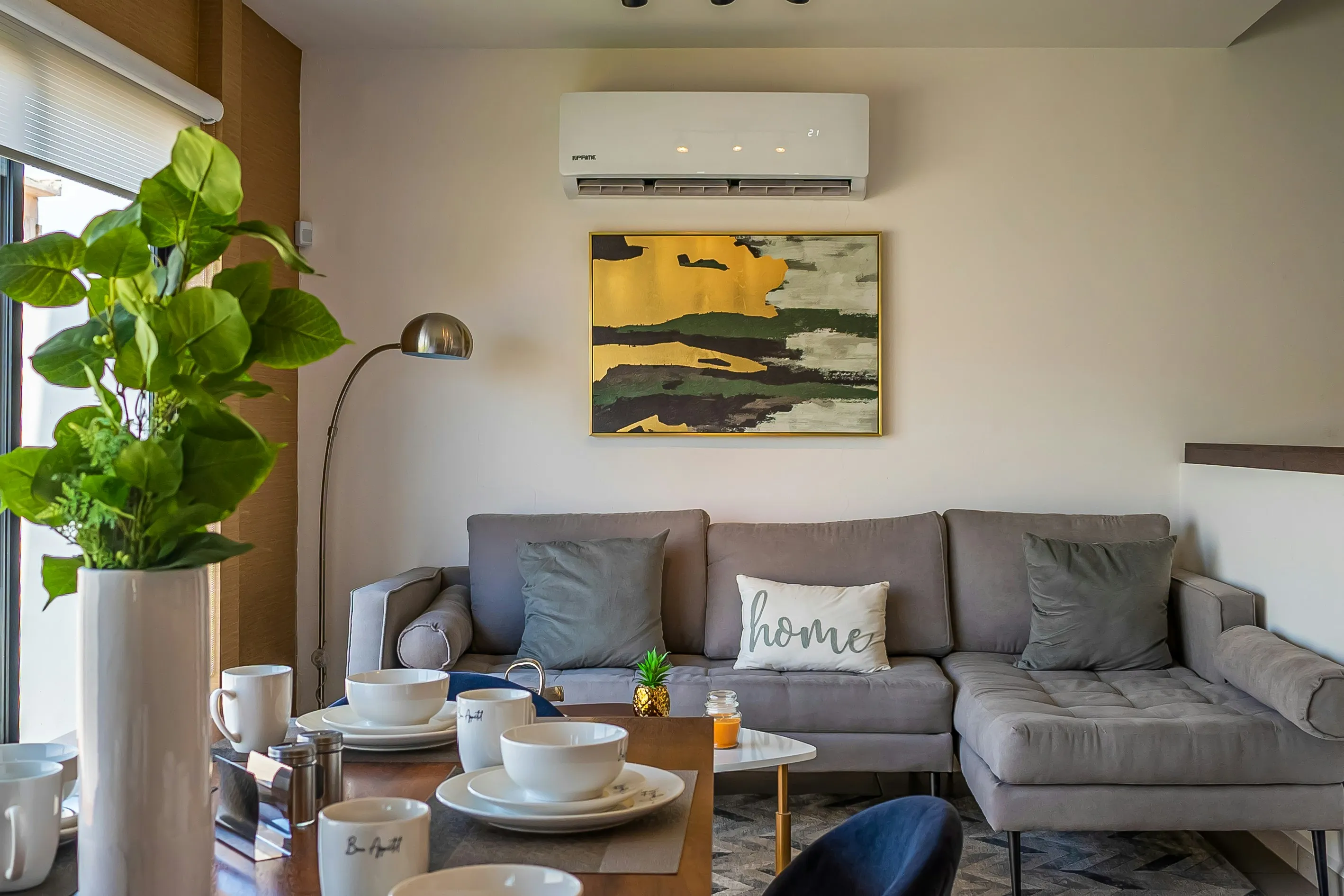
Improving indoor air quality begins with understanding what is happening inside your home. Professional air quality testing provides valuable information about airborne particles, moisture concerns, and ventilation issues that may not be obvious during everyday use.
Instead of relying on assumptions, homeowners can use testing results to better understand their indoor environment and determine the most effective improvements.
Detecting Airborne Contaminants
Some indoor air quality concerns are difficult to identify without professional testing. Dust, allergens, and other airborne particles may continue circulating even when a home appears clean.
Professional testing can help evaluate:
Airborne particle levels
Potential allergen concerns
Moisture-related conditions
Indoor air circulation patterns
This information helps homeowners understand what factors may be affecting their comfort and what solutions may provide the greatest benefit.
Evaluating Moisture and Ventilation Issues
Humidity and ventilation are closely connected to indoor air quality. Poor ventilation can allow pollutants to accumulate, while excess moisture can create an uncomfortable indoor environment.
Professional evaluation helps determine whether airflow issues or humidity concerns are affecting your home. Addressing these factors supports better comfort and improved HVAC performance.
Creating a Personalized Air Quality Strategy
Every home has different indoor air quality needs. Factors such as home size, HVAC design, occupancy, pets, and environmental conditions all influence the best approach.
A personalized strategy ensures homeowners focus on solutions that address their specific concerns rather than applying general improvements that may not solve the underlying issue.
Benefits of Professional Air Quality Testing
Identifies hidden indoor air quality concerns
Provides accurate information about home conditions
Helps determine appropriate HVAC solutions
Supports improved comfort and airflow
Allows homeowners to make informed decisions
HVAC Solutions That Improve Indoor Air Quality
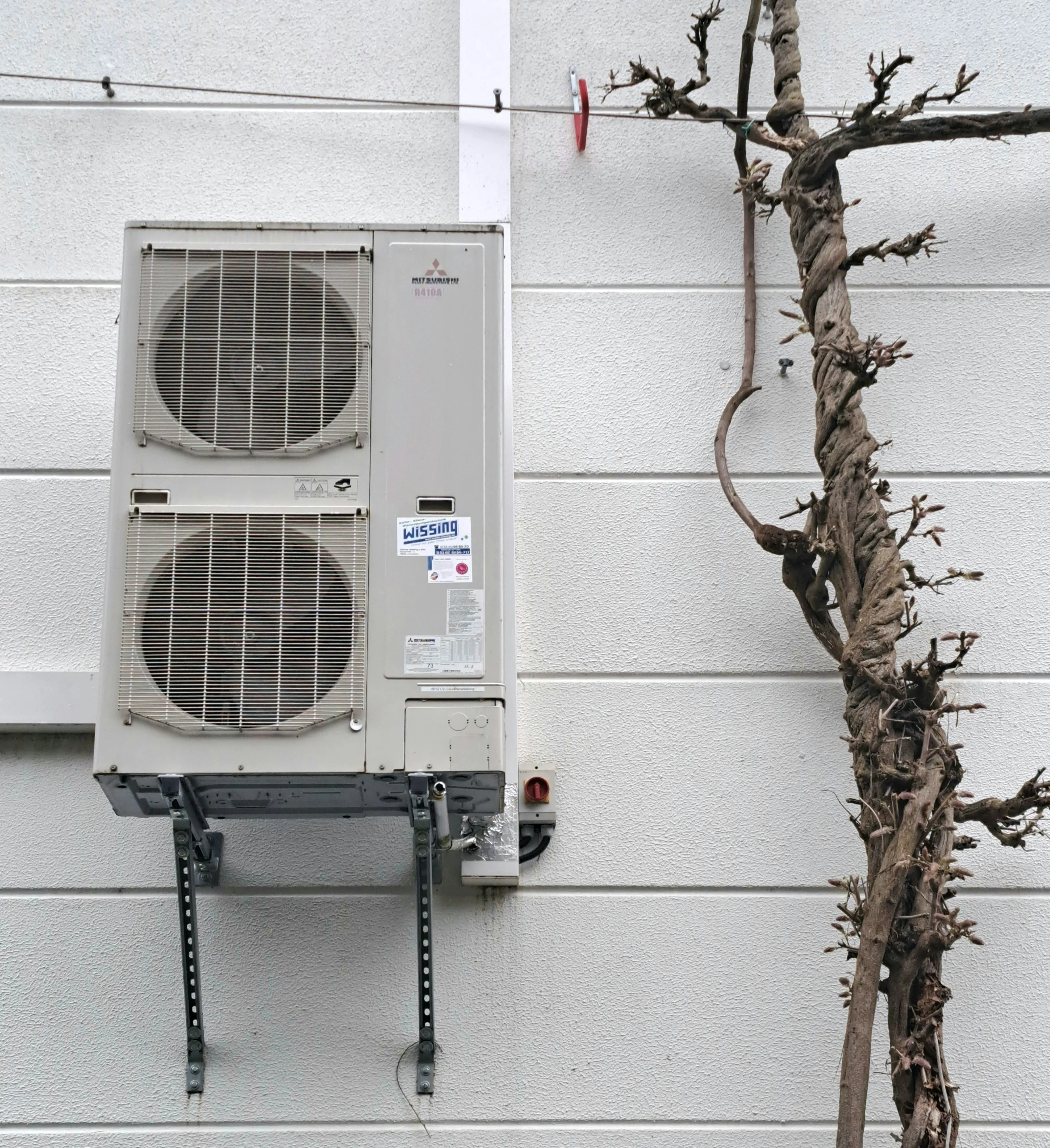
Improving indoor air quality requires more than addressing one concern. Effective solutions often combine proper filtration, humidity management, ventilation improvements, and professional HVAC maintenance.
A complete approach helps create a more balanced indoor environment while supporting the performance of your cooling system.
Improving Air Filtration
Air filtration is one of the most important parts of maintaining cleaner indoor air. Filters help capture dust, allergens, and airborne particles before they continue circulating throughout your home.
However, filtration effectiveness depends on proper maintenance and compatibility with your HVAC system. Filters that are not maintained properly can restrict airflow and reduce system efficiency.
Regular professional inspections help ensure your filtration system supports both air quality and HVAC performance.
Managing Indoor Humidity Levels
Humidity control is essential for Florida homes. Excess moisture can affect comfort, contribute to odors, and create conditions where mold and mildew may develop.
Maintaining appropriate humidity levels allows your HVAC system to operate more effectively while creating a more comfortable indoor environment.
Improving Home Ventilation
Proper ventilation helps reduce stagnant air and supports healthier air circulation. Without adequate ventilation, pollutants may remain concentrated inside the home.
Professional HVAC evaluations can identify ventilation concerns and recommend solutions that support better airflow and comfort.
Key Indoor Air Quality Improvements
Professional air quality evaluations
Proper filtration strategies
Humidity management solutions
HVAC maintenance services
Improved airflow management
How HVAC Maintenance Supports Cleaner Indoor Air
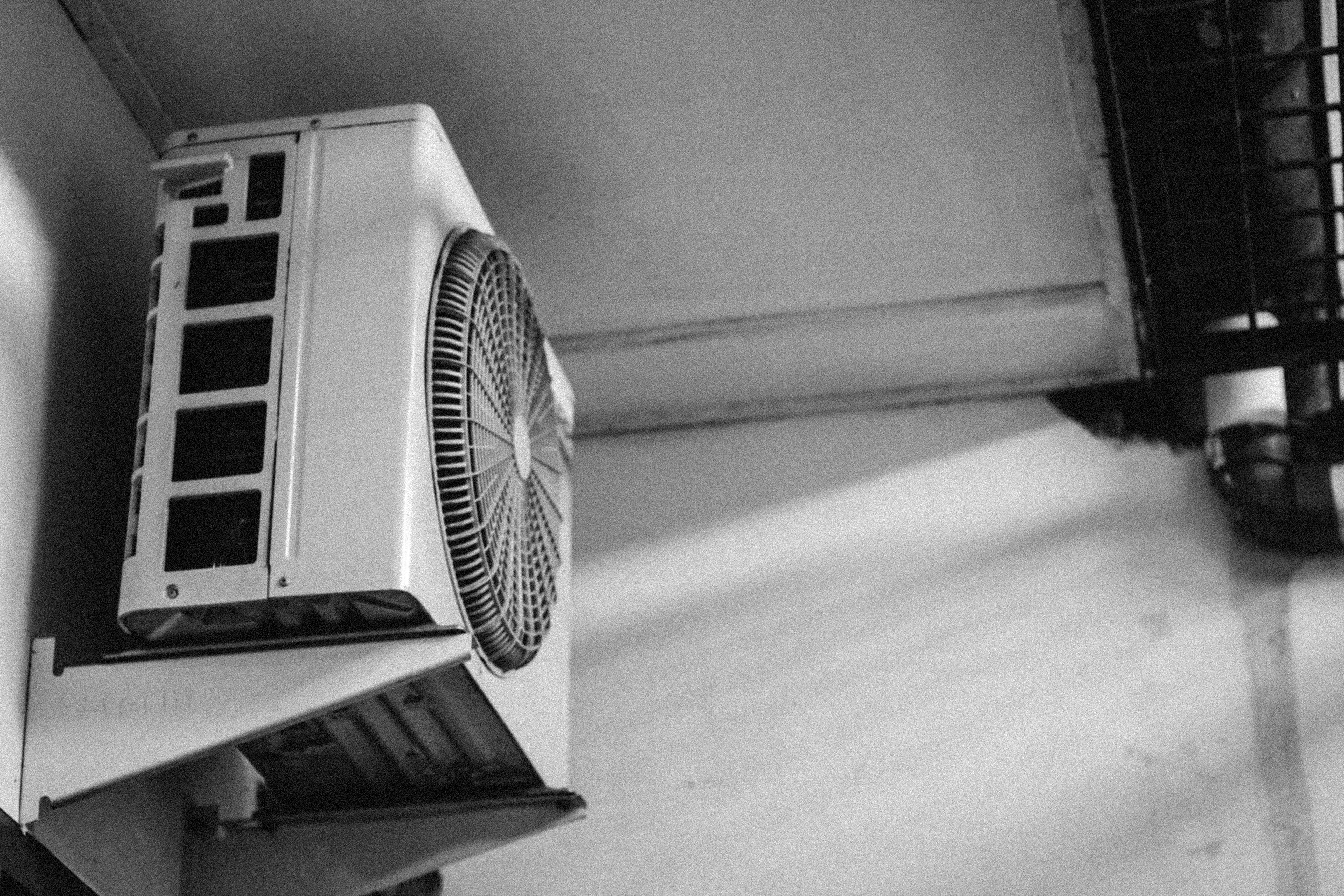
Regular HVAC maintenance plays an important role in maintaining indoor air quality. A properly maintained system can better support airflow, filtration, and humidity control throughout your home.
Professional maintenance also helps identify developing issues before they affect comfort or system reliability.
Keeping HVAC Components Clean
Dust and debris can collect on HVAC components over time. Dirty filters, coils, and internal parts may reduce airflow and make the system work harder.
Professional maintenance helps keep these components operating properly while supporting cleaner air circulation throughout the home.
Maintaining Proper Airflow
Balanced airflow is essential for both comfort and indoor air quality. Restrictions caused by clogged filters, blocked vents, or system issues can prevent conditioned air from moving effectively.
Routine inspections help identify airflow concerns and maintain more consistent system performance.
Preventing Moisture-Related Concerns
HVAC systems help regulate indoor moisture levels. Drainage issues, reduced cooling performance, or system problems may contribute to humidity concerns.
Professional maintenance helps identify these issues and supports better moisture control.
HVAC Maintenance Areas That Affect Air Quality
Filter inspection and replacement
Coil cleaning and evaluation
Airflow testing
Moisture assessment
Overall HVAC performance checks
Everyday Practices That Support Better Indoor Air Quality

Professional HVAC services are a key part of improving indoor air quality, but daily habits also influence the air inside your home. Combining professional care with smart household practices helps maintain a cleaner environment.
Reducing Indoor Pollutants
Daily activities such as cooking, cleaning, and using household products can introduce particles and odors into the air. Proper ventilation during these activities helps reduce pollutant buildup.
Keeping Airflow Areas Clear
Furniture, decorations, and other objects can block vents and limit air circulation. Keeping these areas clear allows your HVAC system to distribute conditioned air more effectively.
Monitoring Changes in Your Home
Changes in odors, humidity, dust levels, or comfort may indicate developing air quality concerns. Recognizing these changes early allows homeowners to seek professional guidance before problems worsen.
Frequently Asked Questions
What are the signs of poor indoor air quality?
Common signs include excessive dust, unusual odors, humidity concerns, allergy-related discomfort, and inconsistent indoor comfort. Professional testing can identify the specific causes affecting your home.
Can HVAC maintenance improve indoor air quality?
Yes. Regular HVAC maintenance helps maintain proper airflow, cleaner components, and more efficient system operation, which supports better indoor air quality.
How does Florida humidity affect indoor air quality?
High humidity can make indoor spaces feel uncomfortable and contribute to moisture-related concerns. Proper humidity management supports a healthier and more comfortable home environment.
Is professional air quality testing necessary for every home?
Testing is especially helpful when homeowners notice comfort changes, persistent odors, moisture concerns, or increased dust levels. It provides information that helps identify specific issues.
How often should indoor air quality be evaluated?
The ideal frequency depends on home conditions and environmental factors. Testing may be beneficial after renovations, HVAC changes, moisture issues, or noticeable air quality concerns.
Does Reynolds Home Services provide indoor air quality services?
Yes. Reynolds Home Services provides professional air quality testing and HVAC services in Pasco County to help homeowners improve indoor comfort and system performance.
Conclusion
Improving indoor air quality requires a complete understanding of the factors affecting your home environment. Professional testing, proper filtration, humidity management, ventilation, and regular HVAC maintenance all contribute to cleaner air and improved comfort.
Reynolds Home Services provides professional air quality testing and HVAC services in Pasco County, helping homeowners identify indoor air concerns and develop effective solutions tailored to their homes.
By taking a proactive approach to indoor air quality, homeowners can create a more comfortable living environment while supporting better HVAC performance, improved efficiency, and long-term reliability.
