Essential Tips for Effective Air Conditioning Maintenance
Effective air conditioning maintenance is one of the smartest ways homeowners can protect comfort, reduce energy costs, and avoid unexpected HVAC repairs. Many cooling problems develop gradually and go unnoticed until efficiency drops or system performance becomes unreliable. A proactive maintenance strategy helps identify small issues early while keeping airflow, cooling output, and equipment condition optimized. In Florida’s climate, where air conditioning systems often operate for extended periods, routine care becomes even more important for long term performance. Combining homeowner maintenance habits with scheduled professional inspections creates the strongest results over time. Reynolds Home Services provides HVAC maintenance services designed to help homeowners improve efficiency, extend system lifespan, and maintain dependable indoor comfort.
About This Guide
This maintenance guide follows practical HVAC best practices and is designed to support informed homeowner decisions by applying preventive HVAC care principles and service recommendations relevant to residential cooling systems.
Key Takeaways:
Consistent air conditioning maintenance improves cooling efficiency, reduces unnecessary strain on HVAC equipment, and helps lower long-term operating costs.
Preventative maintenance tasks, such as filter replacement, coil care, and airflow monitoring, help identify small issues before they become costly repairs.
Early warning signs, including unusual sounds, uneven cooling, and rising utility bills, often indicate that professional HVAC attention is needed.
A structured maintenance schedule supports better indoor air quality, improved temperature consistency, and stronger seasonal system performance.
Professional HVAC maintenance services from Reynolds Home Services help homeowners maintain reliable cooling and protect the long-term value of their HVAC investment.
Why Is Regular Air Conditioning Maintenance Important?
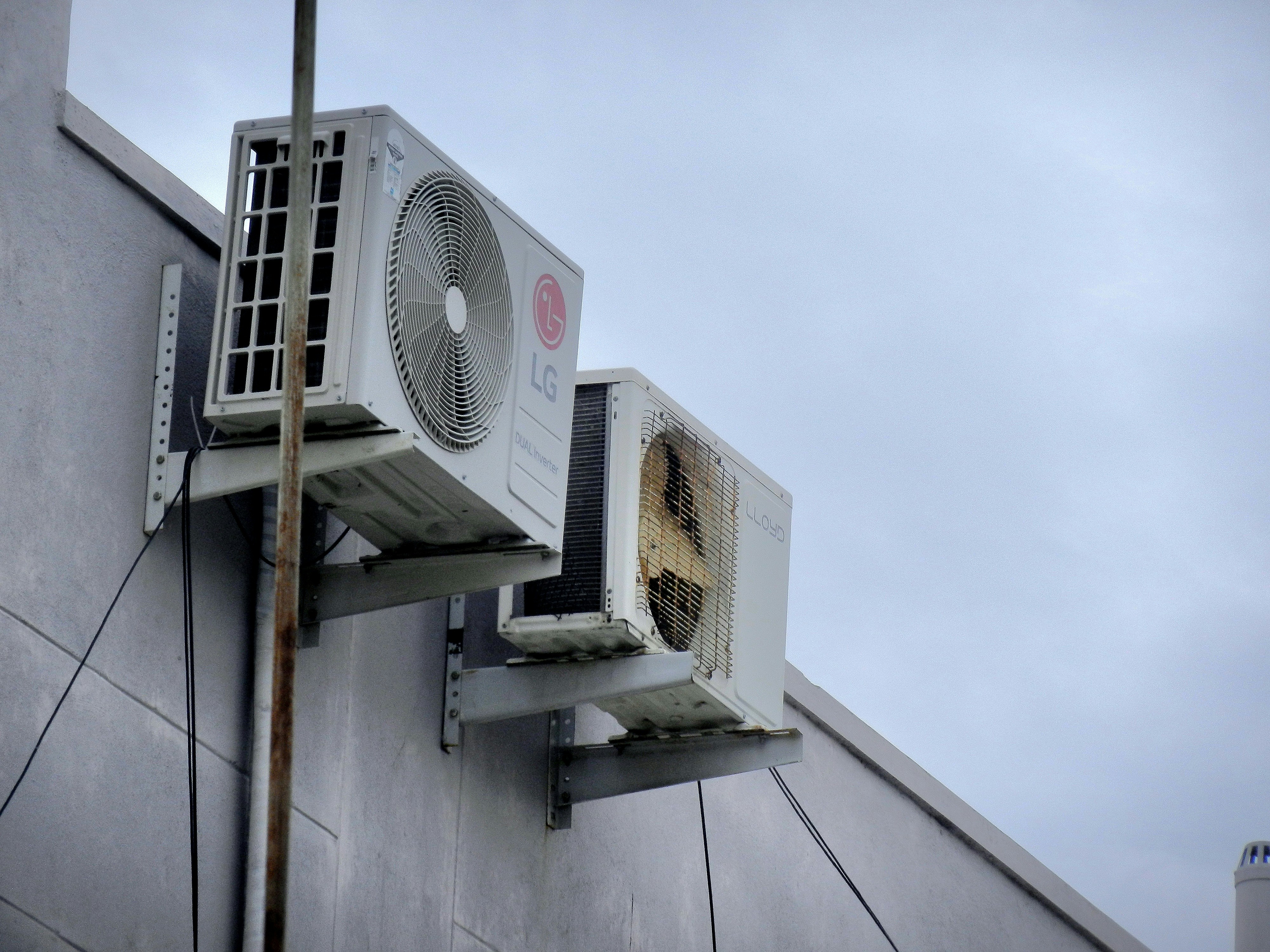
Regular air conditioning maintenance improves efficiency, reduces unnecessary wear, and helps cooling systems perform consistently throughout the year. HVAC systems naturally accumulate dust, airflow restrictions, and component fatigue over time. Left untreated, these issues force systems to consume more energy and increase the likelihood of costly repairs. Preventive service allows problems to be identified early while preserving comfort and cooling reliability. In Florida homes, especially, maintenance plays an important role because systems experience extended seasonal demand. A structured maintenance plan protects performance and improves long-term operating value.
How Does Air Conditioning Maintenance Improve Energy Efficiency
Energy efficiency improves when HVAC systems operate with unrestricted airflow and properly functioning components. Dirty filters and neglected coils force systems to run longer cooling cycles and consume more electricity.
Regular maintenance supports efficiency by:
Maintaining unrestricted airflow
Reducing compressor workload
Improving temperature consistency
Lowering monthly energy consumption
Reducing unnecessary runtime
How Does Maintenance Extend HVAC Equipment Lifespan
Routine service protects major HVAC components from premature deterioration. Addressing small issues early reduces stress on compressors, blower assemblies, and electrical systems.
Areas Most Impacted by Maintenance
Mechanical Performance: Proper airflow reduces unnecessary strain.
Electrical Stability: Inspections help identify worn electrical components.
Cooling Reliability: Consistent service improves long-term operation.
What Indoor Comfort Improvements Result From Maintenance
Well-maintained systems cool more consistently and maintain better humidity control throughout the home. Improved airflow supports more balanced temperatures and fewer comfort complaints between rooms.
What Preventive Maintenance Tasks Deliver the Greatest Results?

Effective air conditioning maintenance combines professional inspections with simple homeowner care routines. Preventative maintenance focuses on protecting airflow, improving heat transfer, and reducing long-term repair risk. Many maintenance activities are low-effort but yield meaningful performance improvements. Systems that receive consistent attention typically operate more efficiently and experience fewer service interruptions. Following a structured maintenance schedule helps maximize HVAC reliability.
How Often Should Air Filters Be Replaced
Air filters should generally be evaluated regularly because clogged filters reduce airflow and increase system strain.
Filter management benefits include:
Improved airflow throughout the home
Reduced dust circulation
Better cooling consistency
Improved energy efficiency
Lower stress on HVAC equipment
Why Coil Cleaning Supports System Performance
Evaporator and condenser coils transfer heat during operation. Dirt build-up reduces heat exchange and forces longer cooling cycles. Clean coils improve cooling performance and help lower operating costs.
Coil Cleaning Focus Areas
Indoor Coil Performance: Supports efficient heat absorption.
Outdoor Coil Condition: Improves heat release outdoors.
System Efficiency: Reduces unnecessary energy use.
Why Duct Inspection Matters for HVAC Efficiency
Leaking or obstructed ductwork can reduce delivered cooling and increase system runtime. Periodic inspection helps maintain airflow and supports indoor comfort.
What Warning Signs Mean Your AC Needs Professional Attention?
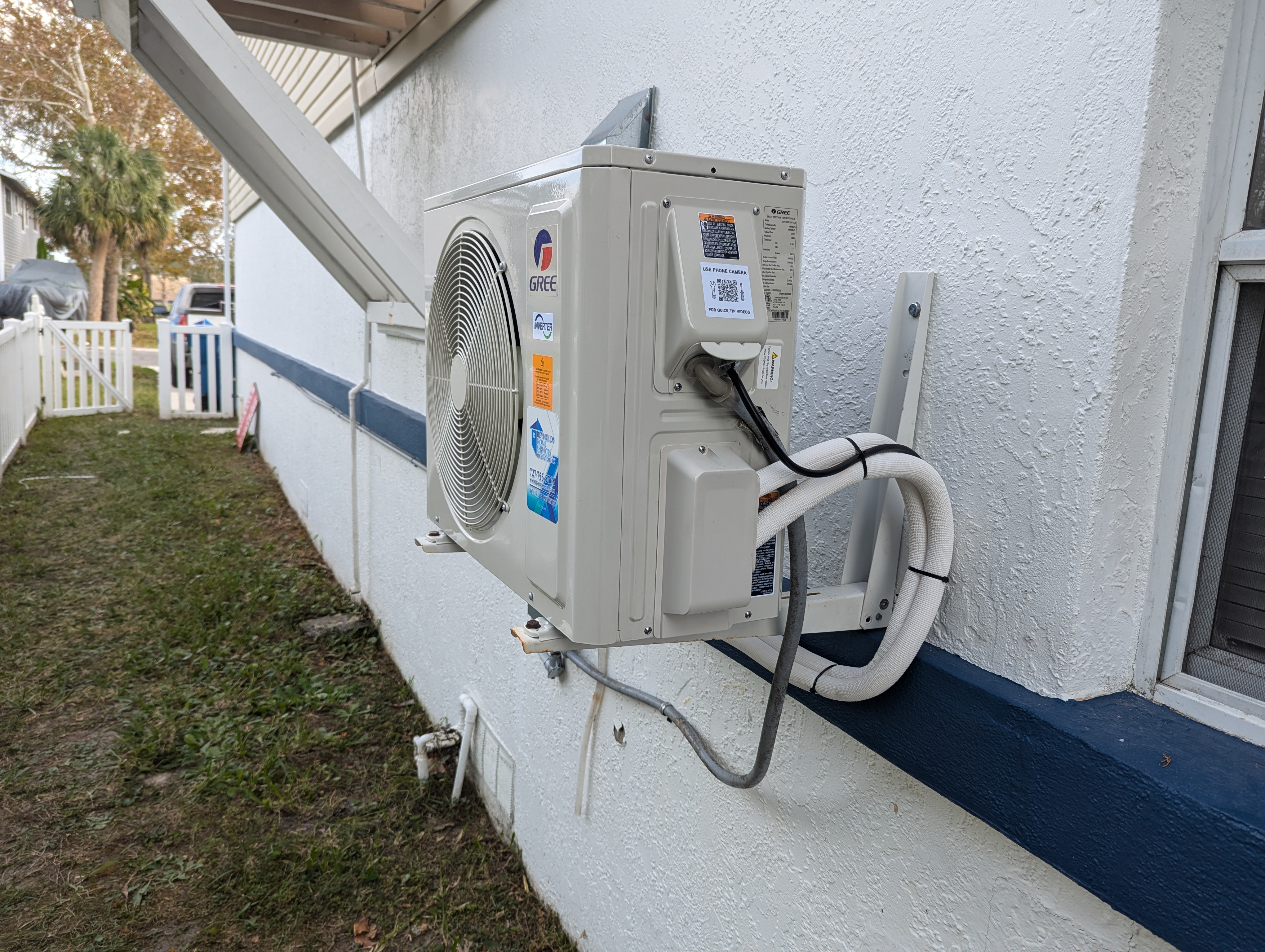
Recognizing early signs of HVAC problems helps homeowners act before system damage worsens. Performance changes often appear gradually and can easily be overlooked. Paying attention to cooling consistency and operating behavior allows maintenance issues to be addressed proactively. Early intervention often lowers repair costs and protects system longevity.
How Do Unusual Sounds Signal HVAC Problems
Grinding, rattling, squealing, and clicking sounds may indicate developing mechanical issues. Changes in noise often signal that a professional evaluation is needed.
Warning sounds may indicate:
Worn motor components
Loose internal hardware
Airflow restrictions
Electrical irregularities
Early mechanical wear
Why Rising Energy Bills Should Not Be Ignored
Unexpected utility increases often indicate declining HVAC efficiency. Systems that consume more energy without weather changes may require inspection.
How Can Inconsistent Cooling Reveal System Issues
Uneven room cooling may suggest airflow imbalance, dirty filters, restricted coils, or developing mechanical issues.
Common Cooling Symptoms
Uneven Temperatures: Certain rooms remain warmer.
Long Cooling Cycles: System struggles to reach the set temperature.
Reduced Airflow: Air output feels weaker than normal.
How Can a Long-Term Maintenance Strategy Lower HVAC Costs?

A long-term maintenance strategy helps homeowners reduce operating expenses while protecting equipment performance. Planned service reduces emergency repairs and improves budgeting predictability. Preventative maintenance shifts HVAC care from reactive repairs to proactive performance management. This approach supports both reliability and cost control over time.
Why Preventive Maintenance Costs Less Than Emergency Repairs
Routine inspections help identify issues before major components fail.
Long-term financial advantages include:
Fewer emergency service visits
Reduced repair frequency
Improved energy efficiency
Lower ownership costs
Delayed replacement timelines
How Scheduling Maintenance Improves Seasonal Performance
Planning service before peak cooling demand improves readiness and reduces summer breakdown risk.
How Customized Maintenance Planning Improves Results
Maintenance schedules should account for home usage, system age, and operating conditions. Reynolds Home Services provides maintenance services designed to support efficient long-term HVAC performance.
Frequently Asked Questions
What regular maintenance should be done on an air conditioner?
Regular air conditioner maintenance should include replacing or cleaning air filters, inspecting visible airflow obstructions, checking thermostat performance, cleaning around outdoor equipment, and scheduling professional HVAC inspections. Routine maintenance also includes evaluating system components, airflow performance, and overall operating efficiency. Reynolds Home Services provides professional HVAC maintenance services to help homeowners maintain reliable cooling performance and identify issues before they become larger repairs.
How can I improve indoor air quality through air conditioning maintenance?
Indoor air quality can be improved by maintaining clean air filters, keeping HVAC components free from dust build-up, and ensuring proper airflow throughout the home. Routine maintenance helps reduce the circulation of airborne particles and supports balanced humidity levels indoors. Regular professional inspections can also help ensure the system is operating efficiently and moving clean air throughout the living space.
What maintenance is required for an AC?
Air conditioning systems require routine preventative care to maintain performance and efficiency. Typical maintenance includes filter replacement, outdoor unit cleaning, inspection of system components, thermostat checks, airflow evaluation, and professional servicing as recommended. Consistent maintenance helps reduce unnecessary wear and supports dependable cooling throughout the year.
Are there any specific maintenance tasks for different types of air conditioning systems?
Yes. Maintenance requirements can vary depending on the system design and installation type. Central air systems typically require filter maintenance, airflow inspection, and cleaning of the outdoor unit. Systems with different configurations may have additional service considerations based on their components and operating conditions. Following manufacturer recommendations and scheduling professional inspections helps ensure the system receives the appropriate level of care.
How can I tell if my air conditioning system is energy efficient?
An energy-efficient system generally maintains comfortable temperatures without unusually long cooling cycles or unexpected increases in electricity usage. Signs of efficient performance may include stable indoor temperatures, normal energy bills, strong airflow, and consistent cooling across rooms. Routine maintenance and professional inspections can help identify conditions that reduce efficiency over time.
How often should I change my AC filter?
Most homeowners should inspect air filters regularly and replace them according to system usage, indoor conditions, and manufacturer recommendations. Homes with higher HVAC usage, pets, or elevated dust levels may require more frequent replacement intervals. Clean filters help maintain airflow, improve efficiency, and support better indoor air quality while reducing strain on HVAC equipment.
Conclusion
Maintaining your cooling system consistently is one of the most effective ways to improve HVAC performance and reduce ownership costs over time. Regular inspections and preventative care help protect major system components while improving energy efficiency and indoor comfort. Small maintenance habits, combined with professional service, can significantly reduce the risk of unexpected breakdowns and costly repairs. Homeowners who follow a long-term maintenance strategy often experience better cooling consistency and extended equipment lifespan. In Florida’s demanding climate, preventive HVAC maintenance is an important part of maintaining system reliability year-round. Reynolds Home Services provides professional HVAC maintenance services that help homeowners maintain efficient operation, dependable comfort, and long-term cooling performance.
