Why Professional AC Installation Matters
Choosing the right contractor for air conditioning installation is crucial for ensuring optimal performance and longevity of your HVAC system. Licensed AC installation contractors bring a wealth of expertise, ensuring that installations are performed safely and in compliance with local regulations. This article will explore the importance of hiring licensed professionals, the step-by-step installation process, cost considerations, energy efficiency benefits, and how customer reviews can guide your decision-making. By understanding these aspects, you can make an informed choice that enhances your home's comfort and efficiency.
Key Takeaways
Professional HVAC installation supports long term cooling performance by improving efficiency, protecting equipment lifespan, and reducing avoidable operating costs.
Proper system sizing and installation quality directly affect airflow, temperature consistency, and overall HVAC reliability throughout the year.
Choosing experienced HVAC professionals helps ensure installations are completed safely and aligned with long-term comfort goals.
Energy-efficient system selection, combined with proper installation, can help homeowners reduce utility use and improve indoor comfort.
Professional HVAC installation and maintenance services from Reynolds Home Services help homeowners maintain dependable cooling and stronger long-term system performance
Why Is Hiring a Licensed AC Installation Contractor Essential?
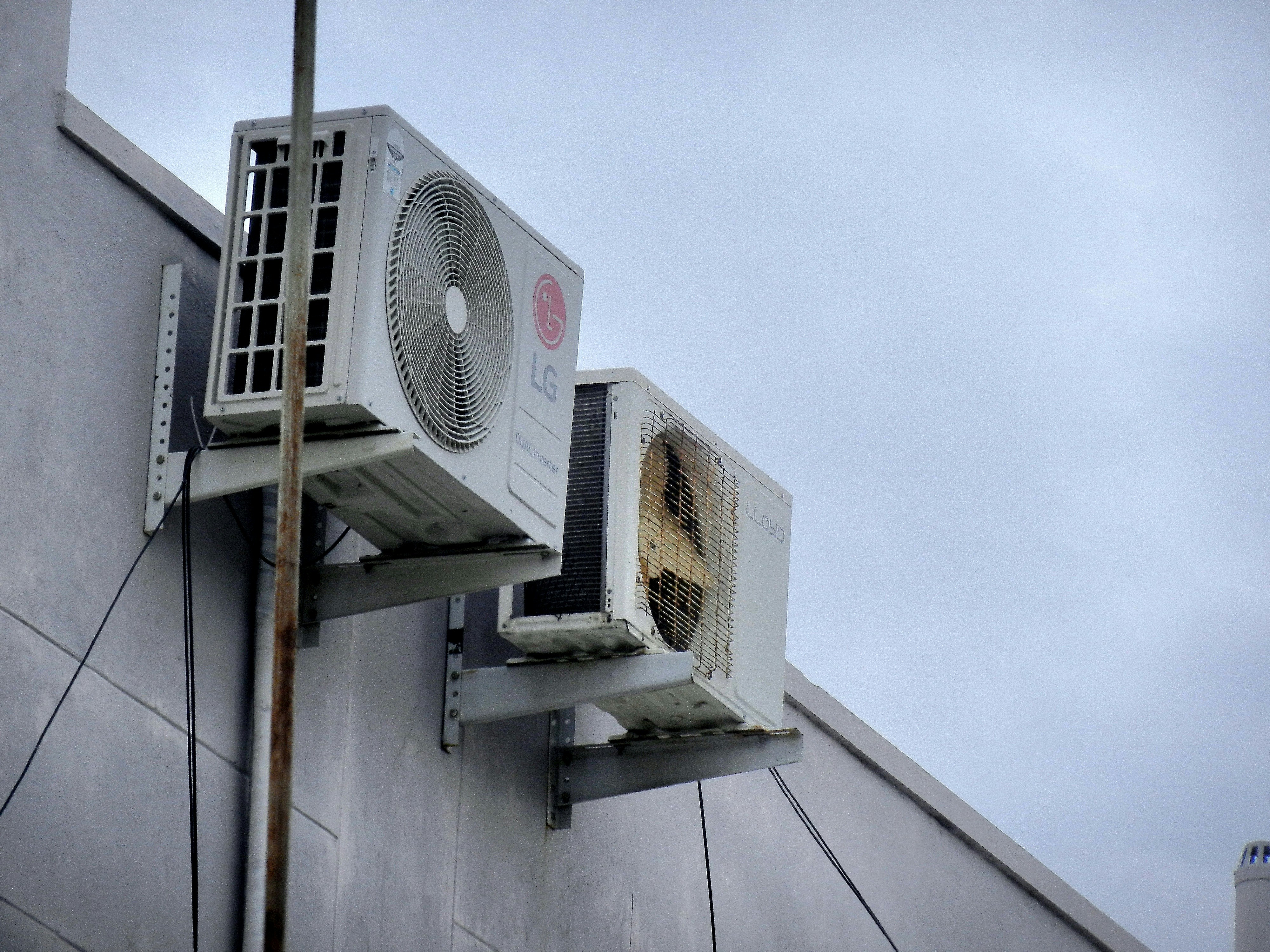
Choosing a qualified HVAC installation professional helps protect system performance, safety, and long-term efficiency. Air conditioning installation directly affects airflow, cooling consistency, equipment lifespan, and operating costs. Proper installation helps ensure the system performs as specified by the manufacturer and meets local requirements. Professional installation also reduces the risk of performance issues caused by incorrect sizing or setup. Reynolds Home Services provides professional HVAC installation services designed to help homeowners achieve reliable cooling and long-term value. Taking a strategy-first approach to installation supports better comfort and fewer avoidable system issues.
What Certifications and Licenses Should AC Installers Have?
When selecting an HVAC installation provider, homeowners should verify that the company is properly licensed and insured and has experience installing residential cooling systems. Additional considerations include:
Experience with residential HVAC installation
Familiarity with local code requirements
Transparent communication throughout installation
Documented service reputation
Ongoing support and maintenance availability
These factors help homeowners choose a provider that prioritizes safe installation and dependable system performance.
How Does Licensing Ensure Safety and Regulatory Compliance?
Professional installation standards help ensure HVAC systems operate safely and efficiently after installation. Proper installation includes electrical safety checks, airflow verification, and equipment setup in accordance with manufacturer recommendations. Following established installation procedures reduces the likelihood of performance issues and helps support long-term system reliability. Homeowners benefit from improved comfort, stronger efficiency, and more predictable equipment operation.
What Is the Step-by-Step AC Installation Process by Licensed Contractors?

The installation process by licensed contractors typically follows a structured approach to ensure efficiency and quality. Understanding this process can help homeowners know what to expect during their AC installation.
How Do Licensed Contractors Prepare for Air Conditioning Installation?
Before installation, licensed contractors conduct a thorough site assessment. This includes evaluating the home’s layout, existing ductwork, and electrical systems. They also consult with the homeowner to understand their cooling needs and preferences. Proper preparation ensures that the installation is tailored to the specific requirements of the home.
What Are the Key Installation Steps and Quality Checks?
The key steps in the installation process include:
Equipment Setup: Installing the indoor and outdoor units according to manufacturer specifications.
Ductwork Connection: Ensuring that all ductwork is properly sealed and connected to maximize efficiency.
Electrical Connections: Safely connecting the system to the electrical supply, following all safety codes.
Quality Checks: Conducting thorough inspections and tests to ensure the system operates correctly before leaving the site.
These quality checks are crucial for ensuring that the system functions efficiently and safely.
How Do Licensed Contractors Enhance Energy Efficiency and System Selection?
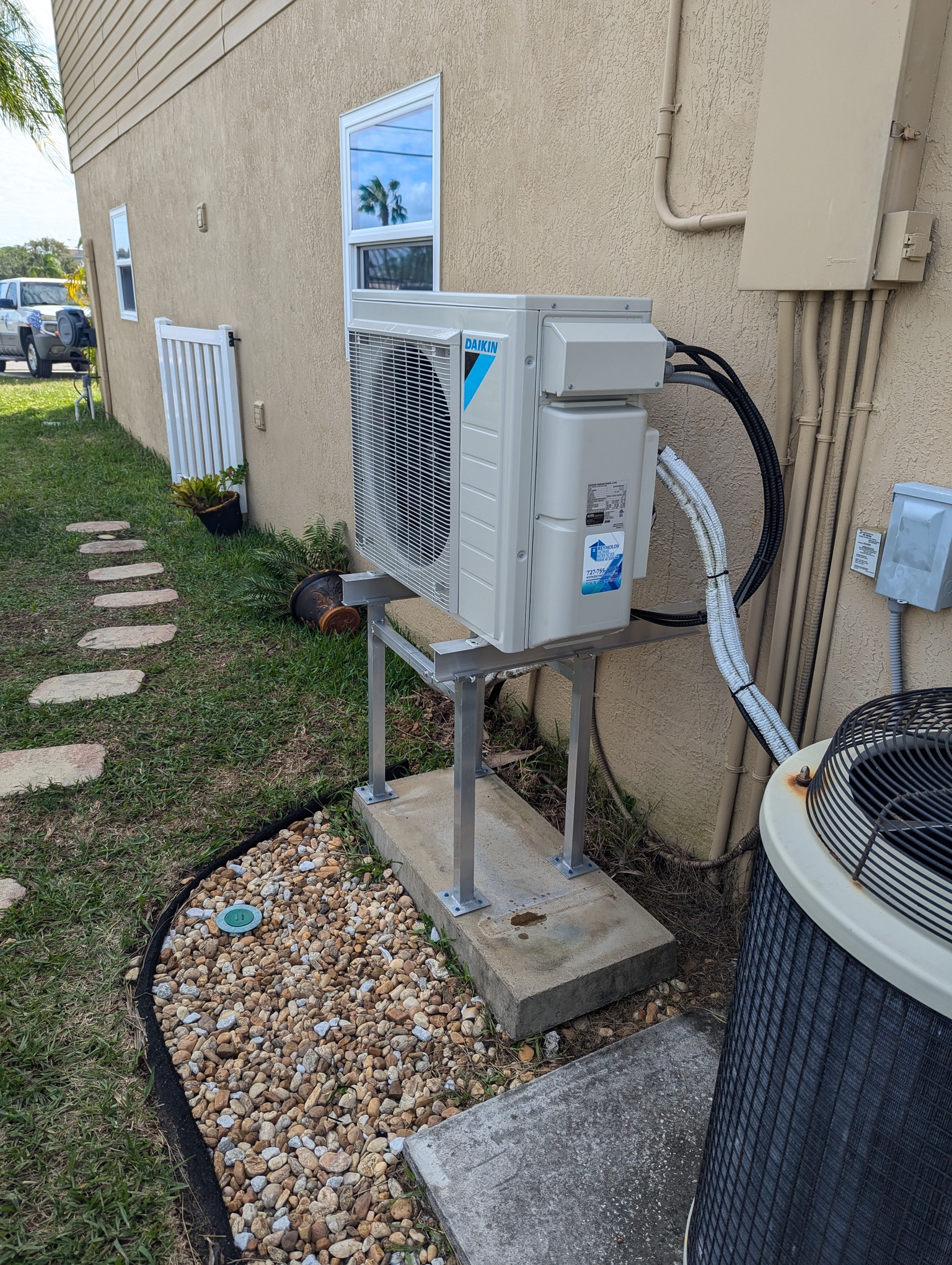
Licensed contractors play a vital role in enhancing energy efficiency and selecting the right HVAC system for your home. Their expertise ensures that homeowners receive systems that not only meet their cooling needs but also operate efficiently.
What Are the Benefits of Energy-Efficient HVAC Systems?
Energy-efficient HVAC systems offer several benefits, including:
Lower Energy Bills: These systems consume less energy, reducing utility costs.
Environmental Impact: Energy-efficient systems help reduce greenhouse gas emissions.
Improved Comfort: These systems provide more consistent temperatures and better humidity control.
Investing in energy-efficient systems can lead to long-term savings and environmental benefits.
How Do Contractors Help Choose the Best Air Conditioning Installation Companies?
Professional HVAC providers evaluate home size, cooling demand, airflow conditions, and efficiency goals before recommending equipment. This strategy-first process helps homeowners avoid oversized or undersized systems that may increase operating costs or reduce comfort. Reynolds Home Services helps homeowners evaluate system options based on long-term performance, efficiency expectations, and household cooling needs.
Factors often considered include:
Home layout and conditioned square footage
Cooling usage patterns
Efficiency preferences
Airflow requirements
Long-term ownership goals
Frequently Asked Questions
What Should I Look for When Choosing an AC Installation Contractor?
Choose a contractor that is licensed, insured, experienced with residential HVAC systems, and communicates clearly. Reynolds Home Services provides professional HVAC installation services focused on proper system setup and long-term performance.
How Long Does an AC Installation Typically Take?
Installation timelines vary depending on system type, home conditions, and project complexity. A professional evaluation helps determine the expected installation process and timing.
What Maintenance Is Required After AC Installation?
Replace air filters regularly, keep outdoor units clear, monitor thermostat performance, and schedule routine HVAC inspections. Reynolds Home Services provides HVAC maintenance services to help support long-term system efficiency.
What Are the Signs That I Need a New AC System?
Frequent repairs, rising energy bills, uneven cooling, weak airflow, and declining performance may indicate it is time to consider replacement. A professional evaluation can help determine the best next step.
Conclusion
Choosing professional HVAC installation helps protect long-term comfort, improve system efficiency, and reduce unnecessary operating costs. Proper installation influences everything from airflow and cooling consistency to equipment lifespan and reliability. Homeowners who prioritize installation quality often experience stronger long-term value and fewer avoidable service concerns. Reynolds Home Services provides professional HVAC installation services designed to support dependable performance and efficient cooling for years to come.
